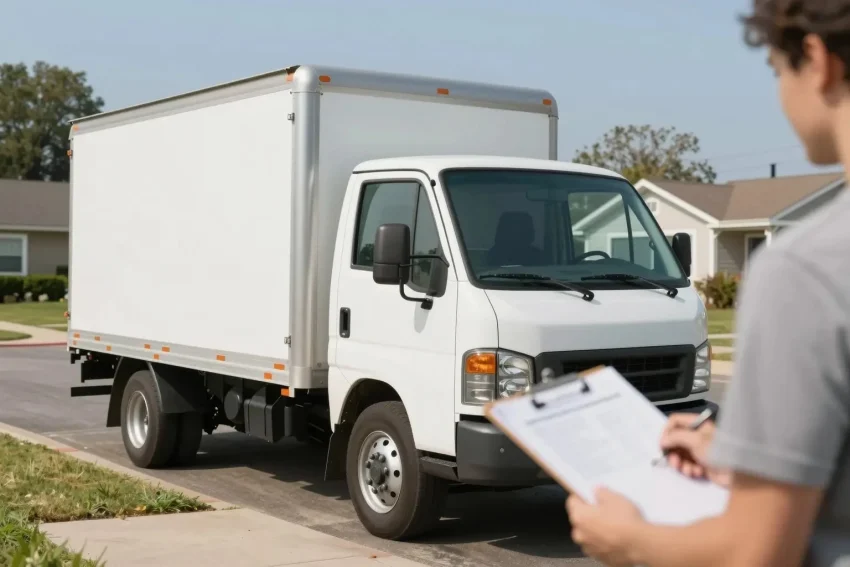
When planning a move or transporting large items, renting a truck can be a practical solution․ However, understanding the insurance coverage for rental trucks is crucial to avoid unexpected costs․ This article explores whether auto insurance covers rental trucks and what options are available to ensure adequate coverage․
Understanding Personal Auto Insurance Policies
A typical personal policy for auto insurance is designed to cover personal vehicles rather than large rental trucks or moving trucks․ Generally, personal auto insurance might offer some degree of liability and collision coverage for rental vehicles, such as rental cars, but this does not necessarily extend to larger vehicles like cargo vans or trucks․ Therefore, it’s essential to check with your insurance provider to understand the specifics of your insurance policy․
Liability Coverage
Liability coverage in a personal auto insurance policy often covers damages or injuries to others if you’re at fault in an accident․ However, this may not apply when renting a truck․ It’s crucial to verify whether your current policy includes liability for a rental truck and to what extent․
Comprehensive and Collision Coverage
While your personal insurance might offer some comprehensive coverage for rental cars, it typically excludes larger rental vehicles․ You should check whether your policy extends to collision damage waiver for trucks․ If not, consider purchasing additional damage protection from the rental company․
Commercial Insurance for Rental Trucks
If your personal auto insurance doesn’t cover rental trucks, you may need to consider commercial insurance․ This type of insurance is tailored to cover larger vehicles and may provide more comprehensive protection during your rental period․
Rental Company’s Protection Plans
Most rental companies offer their own protection plans for rented trucks․ These plans can include:
- Collision Damage Waiver (CDW): This waives your financial responsibility for damage to the rental truck, subject to terms of the rental agreement․
- Supplementary Liability Insurance (SLI): This offers additional liability coverage beyond what your personal policy may cover․
- Personal Accident Insurance: Coverage for medical expenses in case of an accident․
- Cargo Coverage: Protection for the items you are transporting in the cargo van or truck․
Purchasing these plans can be beneficial if your current insurance doesn’t provide adequate coverage for the rental vehicle․
Deductibles and Excess Insurance
It’s important to consider the deductible associated with any insurance coverage․ A deductible is the amount you must pay out of pocket before your insurance kicks in․ Furthermore, some rental companies offer excess insurance to lower the potential out-of-pocket cost in case of a claim․
Assessing Your Coverage Needs
Before renting a truck, it’s wise to assess your coverage needs:
- Contact your insurance provider to determine if your auto insurance covers rental trucks․
- Review the rental company’s protection plans and consider purchasing additional coverage if necessary․
- Consider the value of the items you are transporting and whether cargo coverage is needed․
- Evaluate the cost of deductibles and whether excess insurance is a beneficial addition․