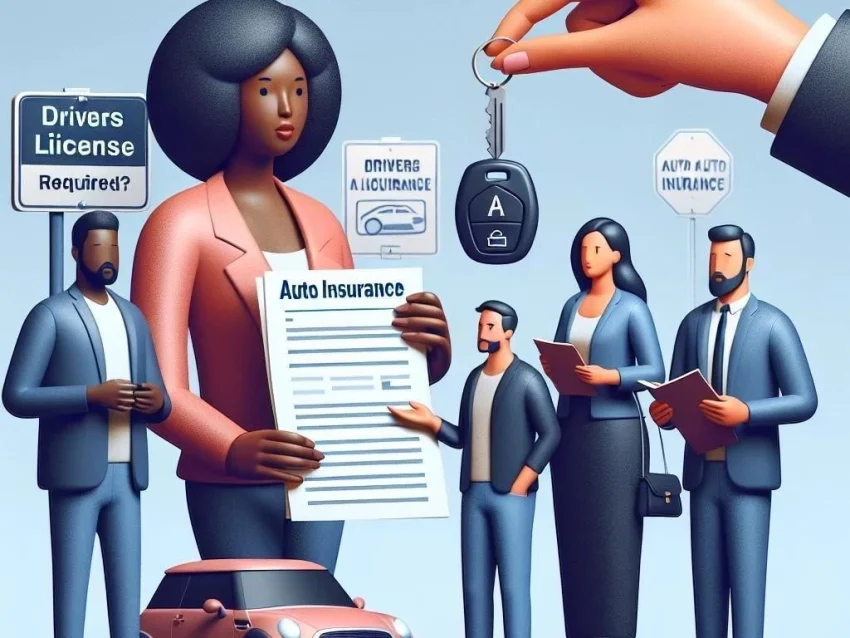
Obtaining auto insurance without a driver’s license is possible, but varies by provider. Insurance companies assess eligibility through identification documents, driving history, and state laws, impacting coverage options and premium rates significantly.
Auto insurance is a crucial aspect of vehicle ownership, providing financial protection against potential risks associated with driving. Whether you are a seasoned driver or new to the road, understanding your insurance options is essential. In many cases, having a driver’s license is a standard requirement for obtaining coverage. However, various circumstances may allow individuals to acquire auto insurance without a driver’s license.
Insurance providers evaluate numerous factors, including eligibility, to determine the best coverage options for their policyholders. This evaluation process often includes assessing driving history, vehicle registration, and the legal requirements in your state. The necessity of a driver’s license may vary depending on these factors and the specific policies of different insurance companies.
For those without a license, exploring alternative options such as obtaining a driving permit or ensuring proper identification documents are in order can be beneficial. Understanding the nuances of auto insurance is vital for maintaining financial responsibility and ensuring road safety, regardless of your licensing status.
Understanding the Driver’s License Requirement
The requirement for a driver’s license when obtaining auto insurance is primarily influenced by state laws and the policies of insurance companies. In most cases, having a valid driver’s license is essential for securing coverage. This is because insurers need to assess the risk associated with the driver, which is often determined by their driving history and experience. Without a driver’s license, insurance providers may perceive a higher risk, complicating the acquisition of a policy.
However, some insurers offer coverage options for individuals without a license, especially if they can provide alternative identification documents and demonstrate financial responsibility. For instance, a parent or guardian with a valid license may be able to insure a vehicle registered in their name but used by an unlicensed driver. This scenario often requires clear communication with the insurance provider about the policyholder’s status and the vehicle’s primary use.
Ultimately, understanding the driver’s license requirement is crucial for navigating the insurance application process effectively and ensuring compliance with insurance requirements.
State Laws and Their Impact on Insurance Requirements
State laws play a significant role in determining the insurance requirements for drivers, including whether a driver’s license is necessary to obtain auto insurance. Each state has its own regulations regarding vehicle registration, liability coverage, and financial responsibility, which can affect how insurance providers operate. In states where a driver’s license is mandatory for all drivers, obtaining auto insurance without one becomes increasingly challenging.
Moreover, some states may allow individuals without a driver’s license to purchase auto insurance, but they may face limitations on policy types or coverage options. For instance, these individuals might be required to provide additional documentation to prove their identity and financial responsibility. Additionally, state laws often dictate the minimum coverage levels that drivers must maintain, impacting the premiums and insurance quotes provided by companies.
Understanding the specific laws in your state is crucial for navigating the complexities of obtaining auto insurance. This knowledge ensures compliance with legal requirements and helps individuals explore available options effectively, regardless of their licensing status.
The Role of Identification Documents
Identification documents play a crucial role in the process of obtaining auto insurance, especially for individuals without a driver’s license. Insurers require these documents to verify the identity of the applicant and assess their eligibility for coverage. Common forms of identification include government-issued IDs, passports, and sometimes even social security cards. These documents help establish the applicant’s identity and may provide necessary information for the risk assessment process.
In the absence of a driver’s license, having alternative identification documents becomes even more significant. Insurance providers may request additional paperwork to ensure that the individual applying for coverage is financially responsible and legally eligible to insure a vehicle. This could involve providing proof of residence, financial information, or other relevant details that can aid in determining premium rates and liability coverage.
Ultimately, understanding the role of identification documents is essential for those seeking auto insurance without a driver’s license. Familiarity with the necessary paperwork can streamline the insurance application process and help secure the coverage needed for responsible vehicle ownership.
Exploring Driving Permits
Driving permits serve as an alternative for those who do not yet possess a full driver’s license, allowing individuals to practice driving legally. These permits can be critical in the realm of auto insurance, as they may enable applicants to secure coverage even without a full license. Many insurance companies acknowledge driving permits as valid proof of a person’s intent to obtain full driving privileges and may offer insurance options to permit holders.
When applying for auto insurance with a driving permit, it is essential to inform the insurance provider about the permit’s status and any restrictions that apply. This transparent communication can help the insurer determine the appropriate premium rates and coverage options based on the applicant’s driving history and experience level. Some insurers might impose limitations on the types of policies available to permit holders, so understanding these nuances is vital.
Ultimately, exploring driving permits as a valid form of identification can broaden the options for individuals seeking auto insurance, ensuring they can comply with state laws while preparing for responsible vehicle operation.
The Importance of Driving History
Driving history is a critical factor that insurance providers consider when evaluating applicants for auto insurance, including those without a driver’s license. This history encompasses an individual’s previous driving experiences, including any accidents, traffic violations, or claims made. Even for unlicensed drivers, understanding their driving history is essential, as it influences the risk assessment conducted by insurance companies.
For individuals applying for coverage with a driving permit or other forms of identification, presenting a clean driving history can significantly impact the availability of coverage options and premium rates. Insurers typically reward responsible driving behavior with lower premiums, while a poor driving record may lead to higher rates or even denial of coverage. It is crucial for applicants to be transparent about their driving history to avoid complications during the insurance application process.
Ultimately, understanding the importance of driving history is vital for anyone seeking auto insurance, as it shapes the overall experience, eligibility, and financial responsibility associated with obtaining coverage for vehicle operation.
Coverage Options for Policyholders without a Driver’s License
For individuals without a driver’s license, finding suitable auto insurance coverage options can be challenging, yet it is not impossible. Several insurance providers understand that not all drivers hold a full license but still require coverage for various reasons. These policyholders may explore options such as named driver policies, which allow a licensed individual to be designated as the primary driver while the vehicle is insured under their name.
Another viable option is to look into non-owner car insurance, which provides liability coverage for those who occasionally drive vehicles without owning one. This type of policy can be beneficial for individuals with a driving permit or those borrowing vehicles from friends or family. Additionally, some insurers may offer specialized policies tailored for those with unique circumstances, ensuring they meet state laws and financial responsibility requirements.
Ultimately, understanding the available coverage options is essential for policyholders without a driver’s license, as it allows them to secure necessary protection while navigating the complexities of auto insurance effectively.
Obtaining Insurance Quotes without a License
Obtaining insurance quotes without a driver’s license can be a challenging yet feasible process. Many insurance companies understand that individuals may need coverage for various reasons, even if they do not hold a valid license. When seeking insurance quotes, it is crucial to provide alternative identification documents, such as a government-issued ID or a driving permit, to verify your identity.
When requesting quotes, clearly communicate your licensing status to the insurance providers. This transparency allows them to tailor their offerings based on your specific situation. Some insurers may require additional information, such as your driving history or details about the vehicle you wish to insure, to provide accurate quotes. It is also beneficial to inquire about specialized policies designed for unlicensed drivers or alternatives like non-owner car insurance.
Lastly, comparing quotes from multiple insurance companies is essential to find the best coverage options and premium rates. By being proactive and informed, individuals without a driver’s license can successfully navigate the process of obtaining auto insurance quotes.
Legal Requirements and Financial Responsibility
Legal requirements surrounding auto insurance and driving licenses vary significantly by state, impacting whether individuals can obtain coverage without a driver’s license. Most states require drivers to carry a minimum level of liability coverage as a form of financial responsibility. This requirement ensures that drivers can cover damages resulting from accidents they may cause.
For individuals without a driver’s license, understanding these legal obligations is crucial for compliance and avoiding penalties. Some states may allow individuals to purchase insurance under specific conditions, such as having a valid driving permit or being covered under a named driver policy. However, these conditions often come with additional stipulations regarding the use of the vehicle.
Moreover, maintaining financial responsibility is essential for all drivers, licensed or not. This may involve securing auto insurance that meets or exceeds state minimum coverage levels. Ensuring compliance with legal requirements protects individuals from potential fines or legal issues while promoting road safety and accountability in driving practices.
Understanding Premium Rates and Risk Assessment
Understanding premium rates and risk assessment is vital for individuals seeking auto insurance, especially those without a driver’s license. Insurance companies evaluate various factors when determining premium rates, including the applicant’s driving history, the type of vehicle, and the intended use of the vehicle. For unlicensed drivers, the situation becomes more complex, as insurers may perceive them as higher risk due to their lack of driving experience.
Risk assessment involves analyzing the likelihood of a person filing a claim based on their background and behavior. Individuals without a driver’s license may face heightened scrutiny, which can result in higher premium rates or limited coverage options. Additionally, if an applicant has a history of accidents or claims, this can further influence their assessment and the associated costs.
To navigate this process effectively, it’s essential for unlicensed drivers to be transparent about their situation and provide any relevant documentation. By understanding how premium rates are calculated and the factors that affect risk assessment, individuals can make informed decisions when seeking auto insurance coverage.
Navigating auto insurance as a non-licensed driver can be a complex yet manageable process. While having a driver’s license is typically a standard requirement for obtaining coverage, various options exist for individuals without one. Understanding state laws, insurance requirements, and available coverage options is crucial for those seeking protection for their vehicles.
Identification documents play an essential role in this process, as they help verify identity and facilitate the application for insurance. Additionally, exploring driving permits can provide alternative pathways to securing coverage. For non-licensed drivers, maintaining a clean driving history is important, as it impacts risk assessment and premium rates.
Obtaining insurance quotes requires transparency regarding licensing status, which can lead to tailored coverage options that meet legal requirements. Ultimately, by staying informed about the various aspects of auto insurance, non-licensed drivers can successfully navigate the insurance landscape, ensuring they fulfill their financial responsibilities while remaining compliant with the law and promoting road safety.