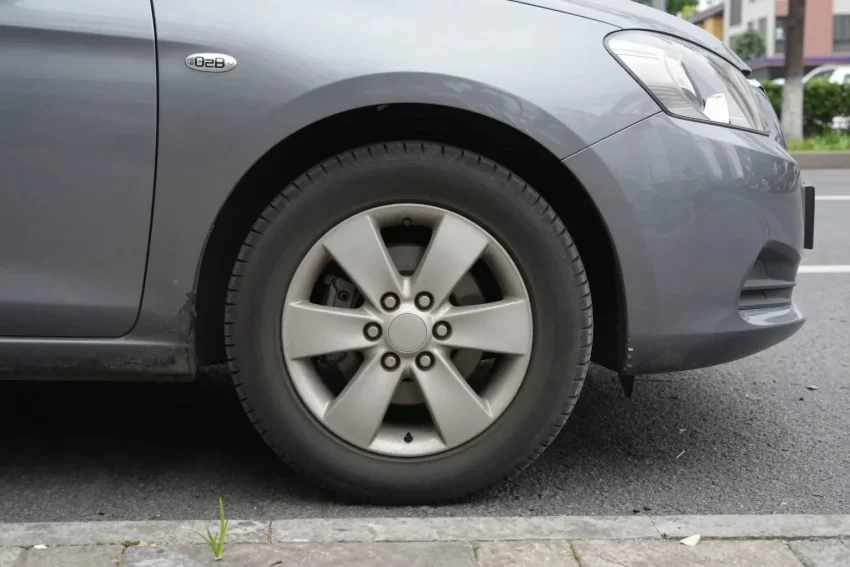
Auto insurance is a critical component of vehicle ownership, providing financial protection against a variety of risks. However, when it comes to specific issues like flat tires, coverage can be a bit confusing. This article explores whether auto insurance covers flat tires, the role of roadside assistance, and other relevant aspects such as policy exclusions, claims, and deductibles.
Understanding Auto Insurance Coverage
Auto insurance policies are designed to cover significant financial losses associated with accidents and vehicle damage. Common types of coverage include:
- Comprehensive Insurance: Covers non-collision-related damage such as theft, fire, and natural disasters.
- Collision Insurance: Covers damage to your vehicle resulting from a collision.
Flat Tires and Auto Insurance
Generally, standard auto insurance policies do not cover flat tires as they are considered a maintenance issue rather than an insurable event. Regular wear and tear, such as that which leads to flat tires, is typically excluded from coverage. However, there are exceptions and additional options available.
Roadside Assistance and Emergency Services
Many insurance providers offer roadside assistance as an add-on to their auto insurance policies. This service often includes help with flat tires, providing services such as:
- Tire Repair or Replacement: A technician may help fix the tire or replace it with a spare.
- Towing Service: If the tire cannot be fixed on the spot, the vehicle can be towed to a nearby repair shop.
- Temporary Fixes: Sometimes, temporary solutions like tire plugs or inflators are applied to get you back on the road.
Policy Exclusions and Claims
It’s important to understand the exclusions in your policy. While roadside assistance can aid with flat tires, it doesn’t equate to full coverage under a standard auto insurance policy. Flat tires due to negligence or mechanical breakdown from lack of vehicle maintenance are generally not covered.
When filing a claim for tire-related issues, be aware that:
- Deductibles: Must be considered. If the cost of a tire repair or replacement is less than your deductible, it may not make sense to file a claim.
- Reimbursement: If your policy includes reimbursement for certain services, you’ll need to submit receipts and documentation.
When Are Flat Tires Covered?
Flat tires may be covered under certain circumstances:
- Collision or Comprehensive Claims: If a tire is damaged due to a covered event like an accident or vandalism, it may be part of a larger claim.
- Wheel Damage: Some policies cover wheel damage under comprehensive or collision coverage, which might include damage leading to a flat tire.
Choosing the Right Insurance Provider
Selecting the right insurance provider is crucial. Look for companies offering comprehensive roadside assistance packages and clear policies on tire-related claims. Read the fine print to understand the specifics, including any exclusions or conditions.
Maintaining Your Vehicle
Keeping up with vehicle maintenance is essential. Regular tire rotations and inspections can prevent flat tires and ensure safety. This proactive approach can save you from issues that might not be covered by your insurance.
While standard auto insurance does not typically cover flat tires, understanding the options available through roadside assistance and specific policy inclusions can provide peace of mind. Always review your insurance policy details, consider additional coverage options, and maintain your vehicle to minimize the risk of flat tires. By doing so, you’ll be better prepared to handle such eventualities without unexpected costs.