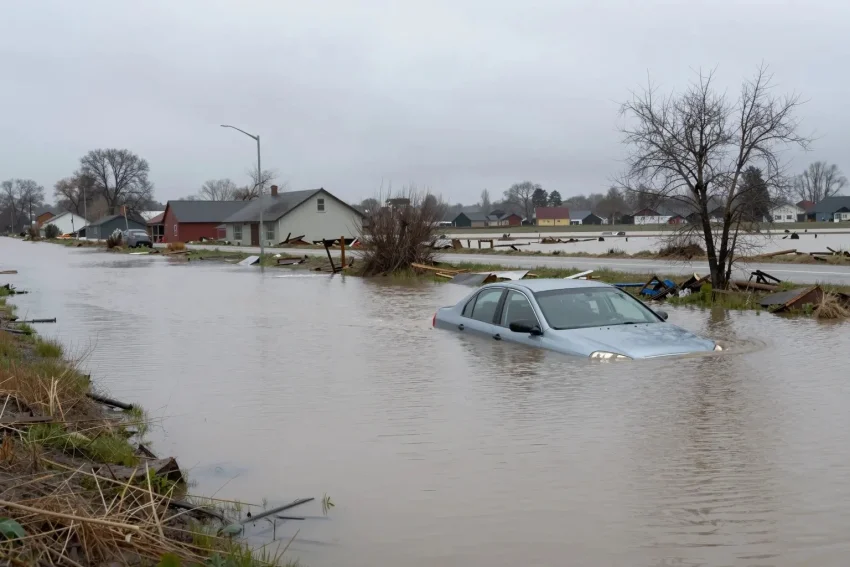
When it comes to protecting your vehicle, understanding the intricacies of auto insurance is crucial, especially in the context of natural disasters. With the increasing frequency of weather-related incidents such as floods, earthquakes, and storms, knowing the extent of your coverage can mean the difference between financial security and significant out-of-pocket expenses.
Understanding Auto Insurance and Natural Disasters
Auto insurance policies are designed to provide protection against a variety of risks, but not all policies are created equal. The type of coverage you have will determine whether or not you are protected against natural disasters. Typically, comprehensive insurance is the key component that addresses damage caused by such events.
Comprehensive Insurance Coverage
Comprehensive insurance is an optional policy addition that covers a wide range of non-collision-related damages. This includes flood damage, earthquake damage, and damage from storms. Essentially, if your vehicle is damaged by a natural disaster, comprehensive coverage is what would potentially cover the costs associated with repairs or replacement.
Claims and Exclusions
When you file a claim for damage caused by natural disasters, it’s important to understand any exclusions that may apply. Some policies may have specific exclusions for certain types of disasters or geographical areas. It’s essential to review your policy carefully and discuss any concerns with your insurance provider, ensuring that your coverage aligns with your risk assessment.
Types of Natural Disasters Covered
Here are some common natural disasters and how they are typically addressed within the framework of auto insurance:
- Flood Damage: Floods can cause extensive damage to vehicles, often rendering them inoperable. Comprehensive insurance usually covers the costs associated with flood-related damage, subject to your policy’s deductible.
- Earthquake: While less common in some regions, earthquakes can be devastating. Comprehensive coverage typically includes damage from earthquakes unless explicitly excluded.
- Storms: Severe weather, including hurricanes and tornadoes, can cause significant damage to vehicles. Comprehensive insurance offers protection against these types of weather-related incidents.
Deductibles and Financial Compensation
When dealing with claims, deductibles play a crucial role. The deductible is the amount you are responsible for paying out-of-pocket before your insurance coverage kicks in to provide financial compensation. It’s important to choose a deductible that balances your financial capability and your desired level of protection.
Liability and Uninsured Losses
It’s worth noting that standard liability coverage, which is mandatory in most jurisdictions, does not typically cover damage to your own vehicle from natural disasters. Liability insurance is designed to cover damages to other parties in the event of an accident where you are at fault. Therefore, without comprehensive coverage, you may face uninsured losses in the event of a natural disaster;
Factors Affecting Insurance Premiums
Your insurance premium can be influenced by several factors related to natural disasters. Insurance providers might consider the likelihood of certain natural disasters occurring in your area when determining your rates. A high-risk area might result in higher premiums due to the increased probability of damage claims.
Risk Assessment and Insurance Provider
Conducting a thorough risk assessment is vital in understanding your insurance needs. This involves evaluating the probability of various natural disasters in your region and ensuring that your policy provides adequate protection. A conversation with your insurance provider can help clarify these risks and the provisions of your policy.
Damage Assessment and Claims Process
In the unfortunate event that your vehicle is damaged by a natural disaster, the damage assessment process will determine the extent of the damage and the subsequent coverage. This involves an evaluation by a claims adjuster who will estimate the repair or replacement costs. Understanding this process can help streamline your claims experience.
Steps to Take Post-Disaster
- Document the Damage: Take photographs and notes of all visible damage to your vehicle immediately after the event.
- Contact Your Insurance Provider: Report the incident as soon as possible. Provide all necessary documentation to support your claim.
- Follow Up on the Claims Process: Stay in contact with your insurance provider to ensure a smooth progression of your claim.
Auto insurance and natural disasters intersect in complex ways that require careful consideration. While comprehensive insurance generally provides protection against many types of natural disasters, it’s important to review your policy details, understand potential exclusions, and consider your personal risk factors. By doing so, you can ensure that you have adequate coverage to safeguard against the unpredictable nature of weather-related incidents and reduce the likelihood of incurring substantial uninsured losses.
Ultimately, being proactive in assessing your coverage, understanding the claims process, and maintaining a clear line of communication with your insurance provider will equip you to better handle the financial implications of natural disasters on your vehicle.