Auto insurance may include towing coverage depending on the policy. Always review your insurance policy for specific details regarding towing and roadside assistance options available.
What is Auto Insurance?
Auto insurance is a contract between the policyholder and an insurance provider that offers financial protection against vehicle-related damages and liabilities. It may include various coverage types, such as liability insurance, collision coverage, and comprehensive insurance. Coverage limits and deductibles vary by policy. While standard policies may not automatically include towing coverage, many insurance providers offer this option as an add-on. Roadside assistance often accompanies towing coverage, ensuring that emergency services are available for vehicle recovery. Understanding your insurance policy’s details, including reimbursement limits and towing fees, is crucial for making informed decisions about your auto insurance needs.
Types of Auto Insurance Policies
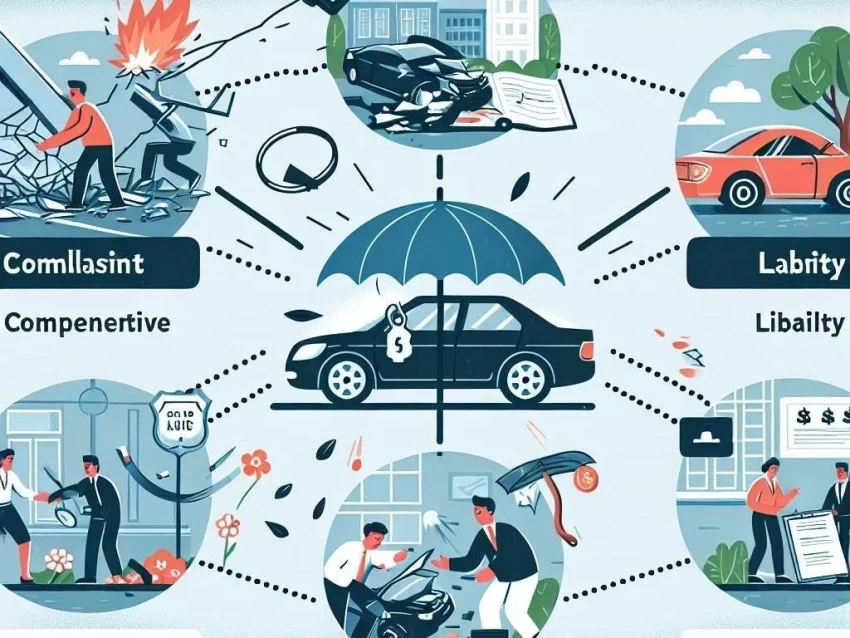
There are several types of auto insurance policies available to meet diverse needs. Liability insurance is required by law in most states and covers damages to other parties in accidents. Collision coverage pays for damages to your vehicle resulting from an accident, while comprehensive insurance protects against non-collision incidents, such as theft or natural disasters. Some policies offer additional options like roadside assistance and towing coverage, which can be essential for vehicle recovery in emergencies. Each policy has unique features, including coverage limits and deductibles, so it’s important for policyholders to carefully evaluate their options and select the coverage that best suits their needs.
Does Auto Insurance Cover Towing?
Auto insurance coverage for towing services varies by policy. Review your specific insurance policy to determine if towing coverage is included or available as an add-on.
Exploring Towing Coverage Options
Towing coverage options vary significantly among auto insurance providers. Some policies include basic towing services, while others offer comprehensive plans that cover a wider range of towing needs. Roadside assistance is often bundled with towing coverage, providing additional emergency services like tire changes and fuel delivery. Policyholders should carefully assess their individual requirements to determine the appropriate level of coverage. Additionally, it’s essential to understand the reimbursement limits for towing fees and any associated deductibles. By exploring these options, policyholders can ensure they select a towing coverage plan that aligns with their needs, enhancing their overall auto insurance experience.
What is Roadside Assistance?
Roadside assistance is a service designed to provide help to drivers experiencing vehicle troubles while on the road. This coverage often includes services such as towing, lockout assistance, flat tire changes, fuel delivery, and battery jump-starts. It’s important to note that roadside assistance may be offered as an add-on to an auto insurance policy or as a standalone service. Many insurance providers feature various plans with different coverage limits and response times, so policyholders should review their options carefully. Access to reliable roadside assistance ensures peace of mind, especially during emergencies, enhancing the overall value of auto insurance coverage.
Key Components of Towing Coverage
Towing coverage includes essential features such as reimbursement limits, towing fees, emergency services, and vehicle recovery options, ensuring policyholders receive necessary assistance during breakdowns.
Towing Fees and Coverage Limits
Towing fees can vary significantly depending on factors such as distance, vehicle type, and location of the incident. Many auto insurance policies include coverage limits that dictate how much the insurer will reimburse for towing expenses. It’s essential for policyholders to understand these limits to avoid unexpected out-of-pocket costs during emergencies. Some insurance providers may impose a maximum dollar amount for towing services, while others might cover roadside assistance without limits. Additionally, deductibles may apply before the coverage kicks in. Reviewing your insurance policy’s towing coverage details ensures policyholders are well-prepared for any roadside assistance needs that arise.
Emergency Services and Vehicle Recovery
Emergency services and vehicle recovery play a crucial role in towing coverage, providing support when drivers face unexpected breakdowns or accidents. Most auto insurance policies offering towing coverage include access to emergency services, ensuring that help is available quickly. This may involve towing the vehicle to a repair shop, roadside assistance for minor issues, or facilitating vehicle recovery after an accident. Understanding the specifics of your insurance policy, including response times and service provider options, is essential for effective assistance. Adequate coverage not only enhances peace of mind but also ensures a smoother recovery process during stressful situations on the road.
Additional Coverage Options
Additional coverage options for auto insurance may include rental reimbursement, collision coverage, and comprehensive insurance, providing enhanced protection for policyholders against various risks and incidents.
Collision Coverage and Liability Insurance
Collision coverage protects policyholders from financial loss due to damages sustained in accidents, regardless of fault. This coverage typically applies to repair costs for the insured vehicle, ensuring drivers can recover quickly. Liability insurance, on the other hand, is mandatory in most states and covers damages inflicted on other parties and their property during an accident. While both types of coverage are essential for comprehensive protection, they do not directly address towing services. However, having collision coverage can complement towing options by ensuring that damages are covered while additional towing assistance is secured, providing peace of mind during difficult situations.
Comprehensive Insurance and Its Benefits
Comprehensive insurance offers a broad range of protection for your vehicle, covering damages not related to collisions, such as theft, vandalism, natural disasters, and animal strikes. This type of coverage provides peace of mind, as it safeguards against unexpected incidents that can lead to significant financial loss. While comprehensive insurance does not directly cover towing services, it complements other auto insurance options by ensuring that your vehicle is financially protected in various scenarios. Additionally, many insurance providers offer bundled policies that integrate comprehensive coverage with towing and roadside assistance options, enhancing overall protection for policyholders during emergencies on the road.
The Claims Process for Towing Services
The claims process for towing services includes filing a claim with your insurance provider, providing necessary documentation, and understanding your coverage limits and deductibles.
Steps to File a Claim
To file a claim for towing services, begin by gathering necessary information, including your policy number, details of the incident, and any receipts for towing fees. Contact your insurance provider promptly to initiate the claims process. They may require you to fill out a claims form, providing a detailed account of the situation and any relevant documentation. After submitting your claim, maintain communication with your insurer to track its progress. Be prepared to discuss your coverage limits and any applicable deductibles. Following these steps ensures a smoother claims experience, helping you receive reimbursement for towing services as quickly as possible.
Understanding Deductibles and Reimbursement Limits
Deductibles and reimbursement limits are crucial components of towing coverage in auto insurance policies. A deductible is the amount the policyholder must pay out-of-pocket before the insurance coverage kicks in. Understanding your deductible is vital, as it affects the overall cost of a claim. Reimbursement limits refer to the maximum amount an insurance provider will pay for towing services. These limits can vary significantly between policies, so reviewing your specific coverage is essential. Knowing both your deductible and reimbursement limits helps policyholders make informed decisions during the claims process, ensuring they understand potential costs associated with towing services and vehicle recovery.
Rental Reimbursement and Its Importance
Rental reimbursement provides financial coverage for renting a vehicle while your car is being repaired. This ensures mobility and convenience during unexpected auto incidents.
How Rental Reimbursement Works
Rental reimbursement coverage is designed to help policyholders financially while their vehicle is undergoing repairs after an accident or covered event. When a claim is approved, the insurer will reimburse costs incurred for renting a vehicle up to the policy’s specified limits. Typically, there is a daily reimbursement limit and a maximum number of days allowed. Policyholders must keep all rental receipts and submit them along with their claims for reimbursement. It’s essential to understand the specific terms of your rental reimbursement coverage, as this ensures you remain mobile and can manage daily responsibilities while your car is being serviced or repaired.
Eligibility Criteria for Policyholders
Eligibility for rental reimbursement coverage varies by insurance provider and policy type. Generally, policyholders must have a valid auto insurance policy that includes this specific coverage as an add-on or as part of their comprehensive package. Additionally, claims must arise from covered incidents, such as accidents, theft, or comprehensive losses. Some insurers may require policyholders to have maintained continuous coverage for a certain period before qualifying for rental reimbursement. It’s essential to review your individual policy to understand any exclusions, daily limits, and maximum reimbursement amounts. Meeting these criteria ensures that policyholders can benefit from rental reimbursement when needed most.
Choosing the Right Insurance Provider
Selecting the right insurance provider involves comparing coverage options, customer service, pricing, and reviews to ensure comprehensive protection that meets your specific needs and preferences.
Factors to Consider When Selecting Coverage
When selecting auto insurance coverage, several factors should be considered to ensure comprehensive protection. First, evaluate the types of coverage offered, including liability, collision, and comprehensive insurance. Next, assess the availability of towing coverage and roadside assistance, as these services can be invaluable during emergencies. Additionally, consider the deductible amounts and reimbursement limits for towing services, as they significantly impact out-of-pocket costs. It’s also important to research the insurance provider’s reputation for customer service and claims handling. Lastly, compare premiums and discounts available for bundling policies or maintaining a clean driving record to find the best overall value.
Service Providers for Roadside Help
When seeking roadside help, various service providers can assist policyholders during emergencies. Many auto insurance companies partner with reliable towing and roadside assistance networks that offer quick and efficient service. These providers typically include local towing companies, mobile mechanics, and specialized roadside assistance services. It’s crucial for policyholders to understand which service providers their insurance company collaborates with to ensure prompt assistance when needed. Some insurers may also offer a mobile app for easy access to roadside help. Additionally, researching reviews and ratings of these service providers can help policyholders feel confident in their choice for reliable roadside assistance during difficult situations.