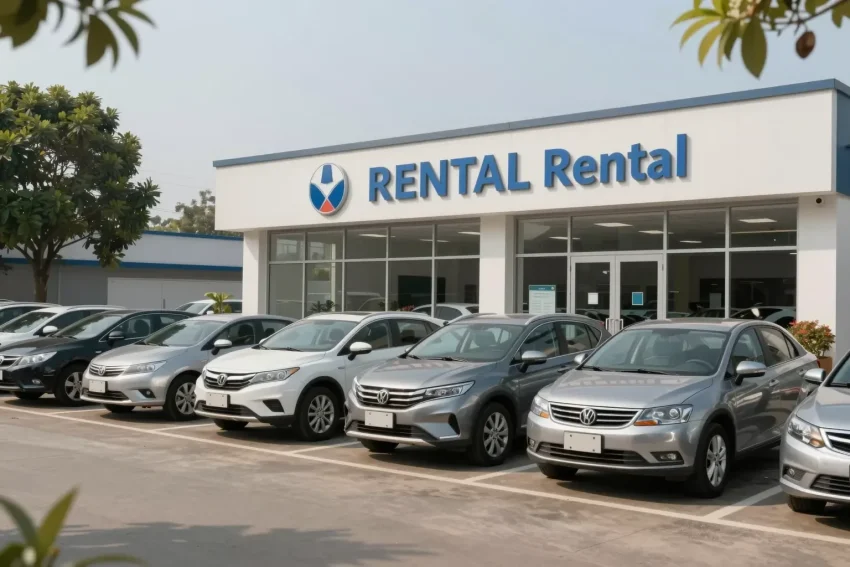
When renting a vehicle, one of the most important considerations is understanding your auto insurance coverage. Whether you’re traveling for business or pleasure, knowing what your insurance covers can save you from unexpected expenses. This article will explore whether direct auto insurance typically covers rental cars and what additional options are available to ensure you’re adequately protected.
Understanding Auto Insurance Coverage
Auto insurance policies are designed to protect you in the event of an accident or other vehicle-related incidents. However, each policy varies in terms of what it covers, so it’s crucial to understand the specifics of your own policy, especially when it comes to renting a car.
Types of Coverage
- Liability Coverage: This is the most basic form of auto insurance and covers damages you cause to other people and their property.
- Collision Damage Waiver (CDW): Often offered by rental car companies, this waives your financial responsibility for any damage to the rental car;
- Personal Accident Insurance: Provides medical coverage for you and your passengers in the event of an accident.
- Comprehensive Coverage: Covers non-collision-related incidents such as theft, vandalism, or natural disasters.
Direct Auto Insurance and Rental Cars
Direct auto insurance refers to purchasing insurance directly from an insurance provider rather than through an intermediary. When it comes to rental cars, whether your direct auto insurance covers them depends on your specific policy.
Policy Details
It’s essential to review your policy to determine if rental car coverage is included. Some policies automatically extend coverage to rental vehicles, while others may require you to add it as a supplemental option. Typically, if your policy includes comprehensive coverage and collision coverage, it may apply to rental cars as well.
Rental Agreements and Insurance Terms
Before renting a car, carefully read the rental agreement and understand the insurance terms provided by the rental car company. These terms will outline what is covered and any exclusions that may apply.
Additional Drivers
When adding additional drivers to your rental, check if your policy covers them. Some policies may require additional fees or stipulations.
Supplemental Insurance Options
If your direct auto insurance does not cover rental cars, or if you desire additional protection, consider these options:
- Collision Damage Waiver (CDW): Offered by rental companies to waive the cost of damages to the car.
- Supplemental Insurance: Additional coverage that can be purchased from the rental company or third-party insurers.
- Travel Insurance: Often includes coverage for rental cars, providing a broader safety net.
Considerations for Deductibles and Claims
When evaluating your insurance options, consider the deductible associated with your coverage. This is the amount you would pay out of pocket before your insurance kicks in; Additionally, understand the process for filing claims in the event of an accident or damage.
Understanding whether your direct auto insurance covers rental cars is crucial for ensuring peace of mind while traveling. Always review your policy details, rental agreement, and consider supplemental insurance options to cover any gaps. By doing so, you can avoid unexpected expenses and focus on enjoying your trip.
For comprehensive protection, consult with your insurance provider to tailor a policy that fits your needs, and remember to compare premiums and terms to find the best coverage for your rental car adventures.