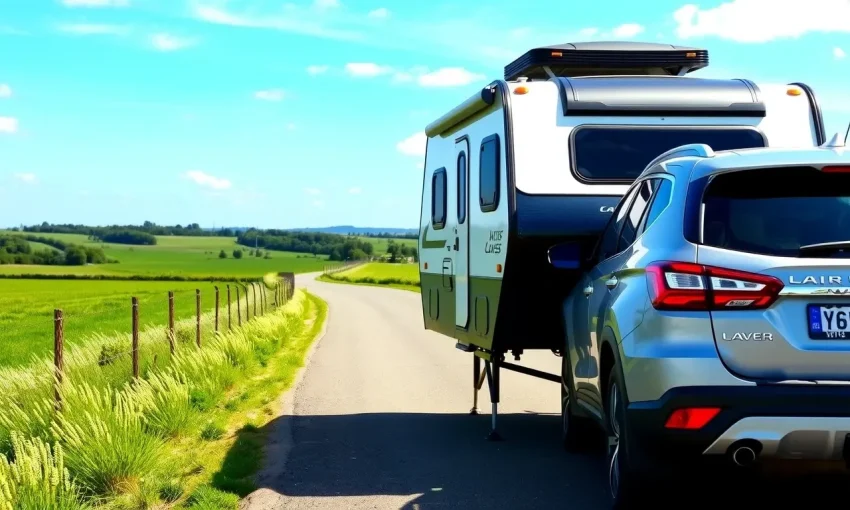
Auto insurance is a crucial aspect of road safety and financial security for vehicle owners. However, when it comes to trailers, many policyholders find themselves questioning whether their auto insurance policy provides adequate coverage. Understanding the specifics of trailer coverage, including liability, comprehensive, and collision options, is essential for ensuring complete protection.
Understanding Trailer Coverage in Auto Insurance
Trailers are often used to transport goods or as living spaces in the form of motorhomes or recreational vehicles (RVs). While auto insurance typically covers the towing vehicle, trailer coverage is not always automatically included. This section explores how trailers are treated under various aspects of auto insurance.
Liability Coverage
Liability coverage is a standard component of auto insurance policies. It provides protection against claims for bodily injury or property damage that the policyholder may cause to others. In many cases, if a trailer is attached to an insured vehicle, the liability coverage extends to the trailer. However, this is not universal, and policyholders should confirm with their insurance provider whether their specific policy includes trailer liability.
Comprehensive and Collision Coverage
Comprehensive and collision coverage are additional components that can protect against damage to the trailer itself. These coverages are typically optional and may require an endorsement to the auto insurance policy. A comprehensive policy covers non-collision-related incidents such as theft, vandalism, or natural disasters, while collision coverage handles damages resulting from accidents. It’s essential to review the details of your policy to ensure that trailers are covered under these provisions.
Endorsements for Trailer Coverage
An endorsement is a modification to an existing insurance policy that adds or alters coverage. For trailers, an endorsement may be necessary to extend comprehensive and collision coverage. This endorsement will usually involve an additional premium, which varies depending on the trailer’s value and usage.
Deductibles and Premiums
Like other elements of auto insurance, trailer coverage is subject to deductibles and premiums. The deductible is the amount the policyholder must pay out-of-pocket before the insurance coverage kicks in. Premiums are the periodic payments made to keep the insurance active. The cost of premiums for trailer coverage will depend on factors such as the trailer’s value, type, and intended use.
Additional Considerations for Trailer Insurance
Towing and Vehicle Attachment
Towing a trailer involves specific risks and legal requirements. Insurance policies may have exclusions related to how a trailer is attached to a towing vehicle. It is crucial to ensure that the trailer is properly secured and that the towing vehicle complies with state laws regarding towing capacities and equipment.
Personal Property Coverage
Trailers, especially motorhomes and RVs, often contain personal property. Some insurance policies offer coverage for personal belongings within the trailer as part of an endorsement or separate RV insurance policy. This coverage is important for protecting items from theft or damage.
Exclusions and State Laws
Every insurance policy comes with exclusions—specific situations or items not covered under the policy. Common exclusions for trailer coverage may include business use without proper endorsement or non-compliance with legal requirements. Additionally, state laws can influence insurance requirements and coverage options, making it vital to understand the regulations in your state.
Choosing the Right Insurance Provider
Selecting an insurance provider who offers tailored policies for trailer coverage can make a significant difference in the event of a claim. Policyholders should seek a provider with a strong reputation for handling claims efficiently and offering comprehensive coverage options. It’s also advisable to compare multiple providers to find the best combination of coverage and premiums.
Making a Claim
In the event of damage or an accident involving a trailer, the policyholder must file a claim with their insurance provider. Understanding the claims process, including necessary documentation and timelines, is critical for a smooth resolution. Ensuring all information is accurate and complete will help expedite the claim process.
Trailers can be a valuable addition to a vehicle, offering utility and leisure opportunities. However, ensuring they are properly covered under an auto insurance policy is crucial. By understanding the nuances of trailer coverage, including endorsements, deductibles, and state laws, policyholders can ensure their trailers and personal property are protected. Consulting with an experienced insurance provider can help tailor a policy that meets individual needs, providing peace of mind on the road.