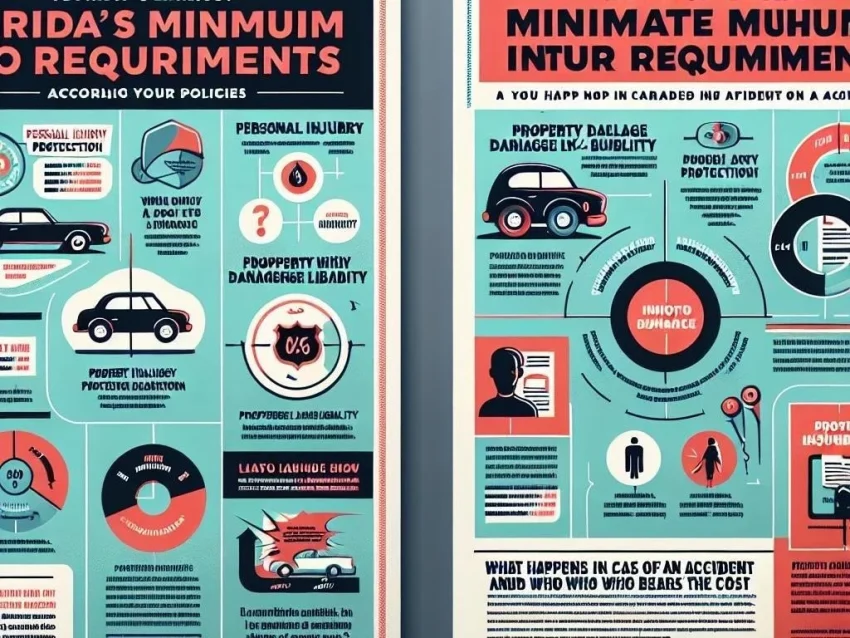
In Florida, minimum auto insurance includes liability insurance, personal injury protection, and property damage, meeting state requirements for financial responsibility and accident liability․
Overview of Auto Insurance in Florida
In Florida, auto insurance is essential for vehicle owners to comply with state requirements․ The Florida minimum coverage mandates specific liability insurance, which covers damages to other parties in accidents․ Personal injury protection is also required, ensuring medical expenses for the driver and passengers are covered, regardless of fault․ Property damage coverage protects against damages caused to another person’s property in an accident․ Understanding these coverage limits is crucial for meeting legal requirements and ensuring financial responsibility․ Additionally, drivers should consider uninsured motorist coverage to guard against accidents involving uninsured drivers․ It’s important to review various insurance policies and rates from different insurance providers to find the best fit for individual needs and budget․
State Requirements for Minimum Coverage
Florida’s state requirements for minimum auto insurance coverage are designed to protect drivers and ensure financial responsibility in case of accidents․ The law mandates liability insurance with minimum limits of $10,000 for bodily injury liability per person and $20,000 per accident․ Additionally, a minimum of $10,000 for property damage liability is required․ Personal injury protection (PIP) is also needed, covering medical expenses and lost wages up to $10,000 regardless of fault․ These minimum coverage limits help safeguard drivers against significant expenses arising from accidents․ It is crucial for drivers to understand these legal requirements and ensure their policies meet or exceed these minimum limits to avoid potential penalties and ensure they are adequately protected on the road․
Breakdown of Required Coverage Types
Florida’s minimum auto insurance includes several essential coverage types that help protect drivers and other parties in the event of an accident․ Firstly, liability insurance is required, comprising bodily injury liability and property damage liability․ Bodily injury liability covers medical expenses for injured parties, while property damage liability addresses damages to others’ property․ Additionally, personal injury protection (PIP) is mandatory, covering medical costs and lost wages, regardless of who is at fault․ This ensures that drivers receive necessary treatment promptly․ Furthermore, uninsured motorist coverage is advisable, offering protection against accidents caused by drivers without insurance․ Understanding these coverage types is vital for compliance with insurance law and ensuring adequate protection on Florida roads․
Uninsured Motorist Coverage and Its Importance
Uninsured motorist coverage is a crucial component of Florida’s auto insurance landscape, designed to protect drivers from financial loss due to accidents involving uninsured or underinsured drivers․ In Florida, while this coverage is not mandatory, it is highly recommended to ensure comprehensive protection․ Without it, drivers may face significant out-of-pocket expenses for medical bills and property damage if involved in an accident with an uninsured motorist․ This coverage helps alleviate the financial burden and provides peace of mind knowing that costs will be covered in such scenarios․ Additionally, uninsured motorist coverage often extends to passengers in the insured vehicle, reinforcing the importance of choosing adequate insurance policies to safeguard against unforeseen circumstances on the road․
Factors Affecting Car Insurance Rates in Florida
Car insurance rates in Florida can vary significantly based on several factors influencing premium costs․ Key elements include the driver’s age, driving history, and credit score․ Younger, less experienced drivers typically face higher rates due to a greater likelihood of accidents․ Additionally, a clean driving record with no accidents or violations can lead to lower rates, while past claims may increase premiums․ The type of vehicle also plays a role, as high-performance cars often incur higher insurance costs․ Furthermore, where one lives can impact rates, with urban areas generally facing higher premiums due to increased accident risks․ Understanding these factors is essential for selecting the right insurance policies and managing costs effectively․